


Sustainable City Planning: Building Future-Ready Urban Spaces

Urban landscapes are evolving rapidly, and the need for sustainable city planning has never been more critical. As cities expand, the challenge lies in balancing growth with environmental stewardship, social equity, and economic vitality. This blog explores how innovative strategies and forward-thinking approaches can transform urban environments into thriving, resilient, and sustainable spaces for generations to come.
The Imperative of Sustainable City Planning
Cities are the engines of economic growth, innovation, and cultural exchange. However, unchecked urbanization often leads to congestion, pollution, and resource depletion. Sustainable city planning addresses these challenges by integrating environmental, social, and economic considerations into every stage of development.
In Ahmedabad, a city with a rich heritage and dynamic growth trajectory, sustainable city planning is essential to accommodate increasing population density while preserving natural resources. This approach ensures that infrastructure development supports long-term well-being and prosperity.
Key elements of sustainable city planning include:
Efficient land use to minimize urban sprawl
Green infrastructure to enhance biodiversity and air quality
Smart transportation systems to reduce emissions
Affordable housing that promotes social inclusion
Renewable energy integration for reduced carbon footprint
By prioritizing these components, urban planners can create cities that are not only livable but also resilient to future challenges such as climate change and resource scarcity.

Innovative Strategies for Sustainable City Planning
To achieve sustainable city planning, cities must adopt innovative solutions that leverage technology, community engagement, and smart design principles. Here are some actionable strategies that can be implemented:
1. Smart Infrastructure and AI Integration
The use of AI-driven systems can optimize energy consumption, traffic flow, and waste management. For example, smart grids enable efficient distribution of electricity, reducing losses and integrating renewable sources seamlessly. AI-powered traffic management reduces congestion and pollution by adjusting signals in real-time.
2. Mixed-Use Development
Combining residential, commercial, and recreational spaces within close proximity reduces the need for long commutes. This approach fosters vibrant communities and supports local economies.
3. Green Building Standards
Adopting green building certifications such as LEED or IGBC ensures that new constructions meet energy efficiency and sustainability benchmarks. Incorporating natural ventilation, solar panels, and rainwater harvesting are practical measures.
4. Community-Centric Planning
Engaging local communities in the planning process ensures that developments meet their needs and preserve cultural identity. Participatory planning fosters ownership and long-term success.
5. Enhancing Public Transportation
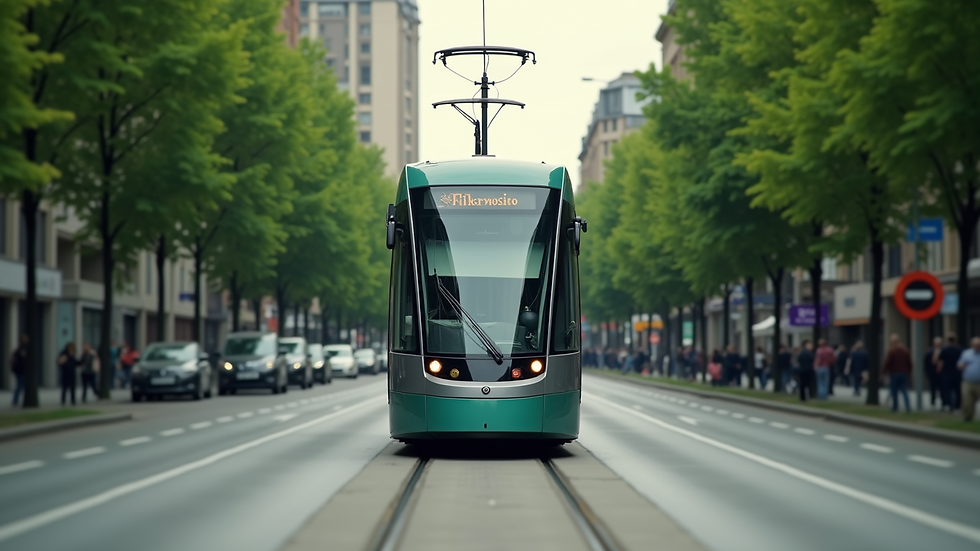
Investing in reliable, affordable, and accessible public transit reduces reliance on private vehicles, lowering emissions and traffic congestion.
These strategies, when combined, create a holistic framework for sustainable urban growth that benefits all stakeholders.
The Role of Redevelopment in Urban Sustainability
Redevelopment offers a unique opportunity to revitalize existing urban areas while embedding sustainability principles. Instead of expanding outward, cities can focus on upgrading infrastructure, improving energy efficiency, and enhancing public spaces within established neighborhoods.
For instance, Panorama Developers is pioneering redevelopment projects in Ahmedabad that integrate AI-driven technologies and sustainable design. These projects not only increase property values but also contribute to environmental conservation and social well-being.
Key benefits of redevelopment include:
Reducing urban sprawl and preserving greenfields
Upgrading aging infrastructure to modern standards
Creating mixed-use spaces that foster community interaction
Enhancing walkability and connectivity
Promoting energy-efficient retrofits and renewable energy adoption
By focusing on redevelopment, cities can maximize the use of existing resources and infrastructure, making urban growth more sustainable and economically viable.
Practical Recommendations for Property Owners and Investors
For property owners and investors looking to contribute to and benefit from sustainable urban growth, several practical steps can be taken:
Invest in Green Technologies: Incorporate solar panels, energy-efficient appliances, and smart home systems to reduce operational costs and increase property appeal.
Support Mixed-Use Developments: Engage with projects that combine residential, commercial, and recreational spaces to attract diverse tenants and customers.
Prioritize Location and Connectivity: Choose properties near public transit and essential services to enhance accessibility and reduce carbon footprints.
Collaborate with Sustainable Developers: Partner with firms like Panorama Developers that emphasize innovative, AI-driven, and sustainable solutions.
Advocate for Policy Support: Engage with local authorities to promote incentives for sustainable construction and redevelopment.
By adopting these recommendations, stakeholders can play a pivotal role in shaping a sustainable urban future while securing profitable opportunities.
Embracing a Vision for Future Cities
The future of urban living depends on our ability to integrate sustainability into every facet of city planning and development. The concept of sustainable urban development is not just a goal but a necessity for thriving, resilient cities.
Ahmedabad stands at the cusp of a transformative era, where innovative, AI-driven infrastructure and smart city solutions can redefine urban experiences. By embracing sustainable city planning, the city can become a beacon of progress, balancing economic growth with environmental responsibility and social equity.
Together, property owners, investors, and communities can drive this change, ensuring that future generations inherit cities that are vibrant, healthy, and prosperous.
Sustainable urban development is more than a trend - it is the foundation for future-ready cities. By committing to smart, innovative, and inclusive planning, we can build urban environments that inspire and endure.


Comments